
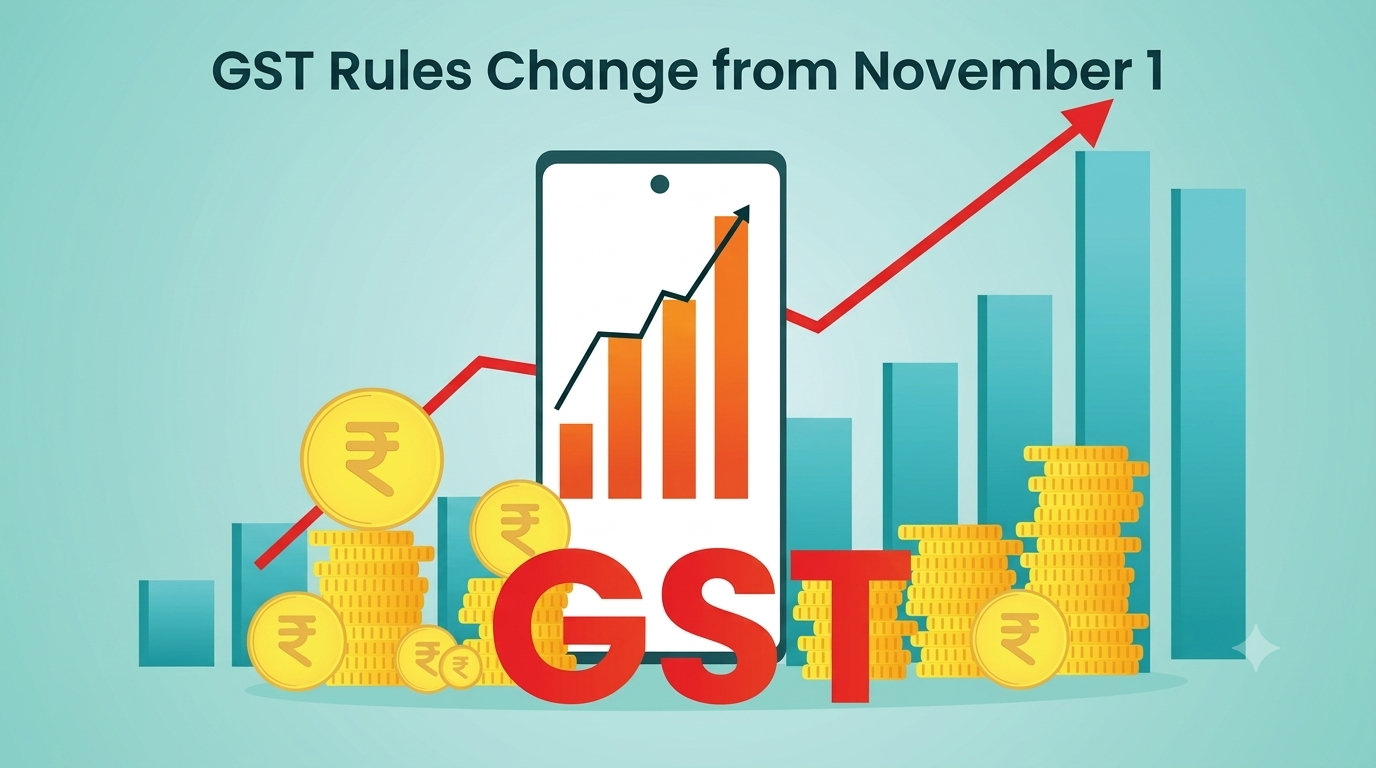
 The GST Council has introduced several compliance reforms to make tax-related processes easier for businesses. Approved during its 57th meeting on October 8, 2026, these measures include faster GST refunds, simplified registration procedures and clearer rules for post-supply discounts.
The new administrative changes will be rolled out in phases, beginning November 1, 2026.
One of the major highlights is the proposed shift towards automated GST refund processing. This could help businesses receive eligible refunds sooner and reduce delays caused by manual checks.
GST Refunds to Be Processed Faster
Under the revised system, eligible businesses will benefit from automated refund approvals in certain categories.
Here are the key changes:
- Electronic cash ledger refunds: Eligible claims for excess cash balance will be sanctioned automatically through the GST system, without requiring manual approval from tax officers.
- Zero-rated supply refunds: Businesses claiming refunds for zero-rated supplies will receive 90% of the eligible amount provisionally through an automated, risk-based process.
- Inverted duty structure refunds: The 90% provisional refund facility will also cover eligible claims arising from an inverted duty structure.
Previously, businesses often experienced delays because of manual verification, repeated document checks and queries from tax officials.
Under Section 54 of the Central GST (CGST) Act, refund applications are generally required to be processed within 60 days after receiving a complete application. The initial acknowledgement is also expected within 15 days. However, practical delays have often affected the process.
The new automated mechanism aims to reduce these delays and improve cash flow for eligible businesses.
Also Read:Stock Market Outlook Next Week: Nifty Levels and 3 Stocks to Buy Under ₹100
Also Read :Who Is Xavier Niel? Net Worth, Career and Vodafone Stake Deal
What Are Zero-Rated Supplies and Inverted Duty Structure?
Understanding these two terms is important for businesses that claim GST refunds.
Inverted Duty Structure: This situation occurs when a business pays a higher GST rate on its purchases than the rate charged on its outward supplies. As a result, unused input tax credit (ITC) can accumulate in the electronic credit ledger, potentially making the business eligible for a refund under applicable GST rules.
Zero-Rated Supplies: These refer to eligible exports and supplies made to authorised Special Economic Zones (SEZs). Such supplies attract zero-rated treatment under Section 16 of the Integrated Goods and Services Tax (IGST) Act, 2017. Businesses can claim eligible input tax credit, subject to the conditions prescribed under GST law.
GST Registration Process to Become Simpler
Apart from refund-related changes, the GST department is also introducing a more structured registration process from November 1.
The department has specified the information and documents required when submitting registration applications. The GST portal will also offer a more user-friendly interface, featuring clearer navigation, dropdown options and helpful instructions.
These improvements are expected to reduce application errors, unnecessary clarification requests and avoidable rejections.
How the New GST Rules Could Help Businesses
The latest GST reforms focus on reducing compliance difficulties and making routine tax procedures more efficient. Faster provisional refunds could help eligible businesses manage working capital, while simplified registration requirements may make it easier for businesses to complete formalities.
However, businesses should review the applicable eligibility conditions and documentation requirements before submitting refund or registration applications.
Also Read:Stock Market Outlook Next Week: Nifty Levels and 3 Stocks to Buy Under ₹100
Also Read :Who Is Xavier Niel? Net Worth, Career and Vodafone Stake Deal

 By