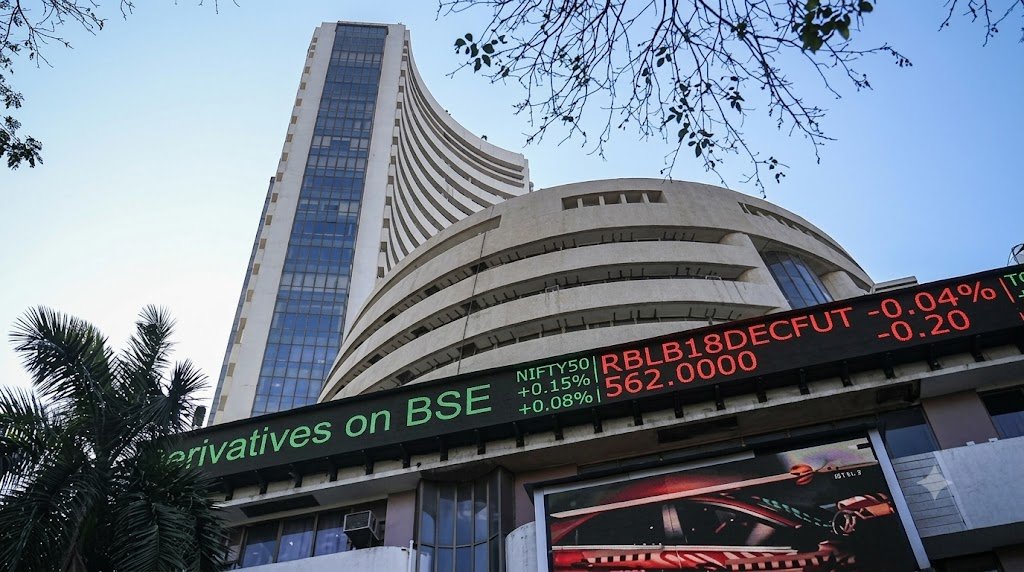
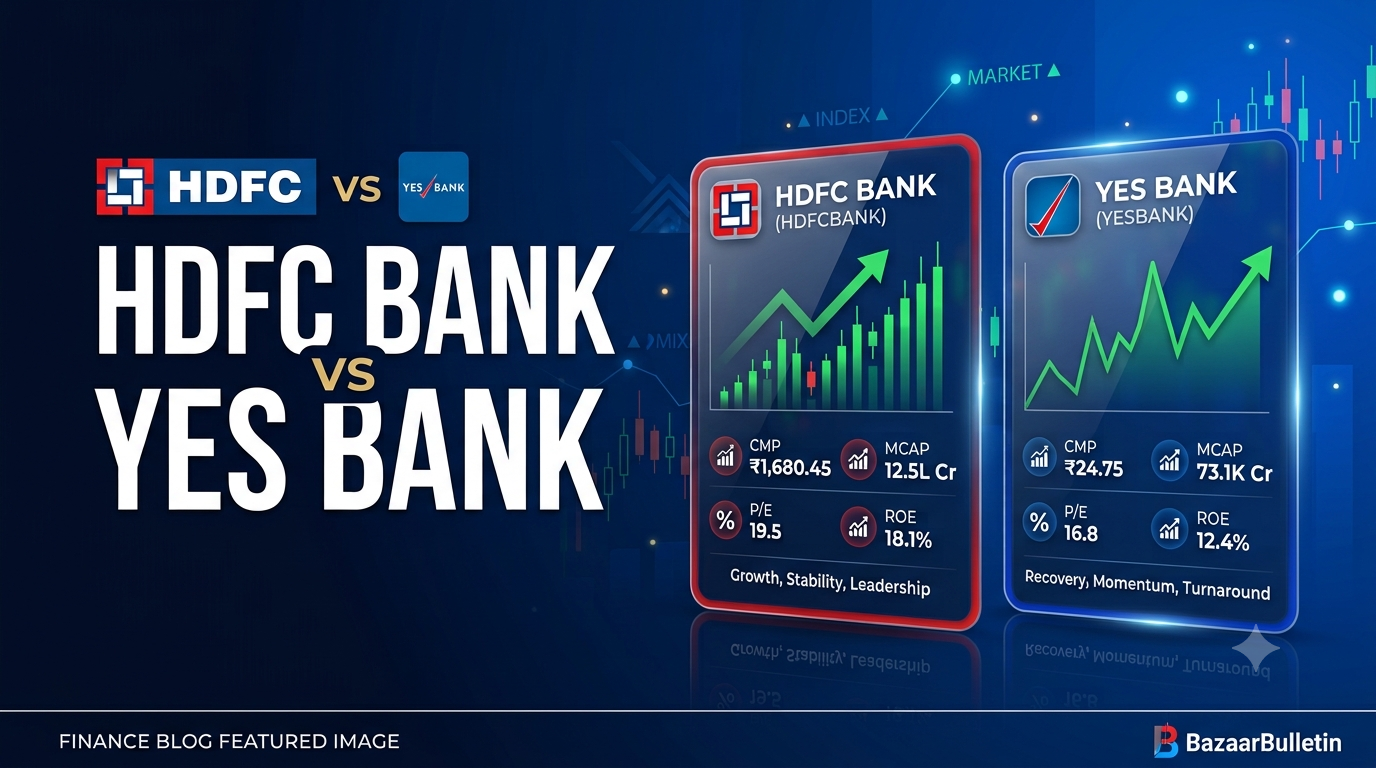

HDFC Bank shares came under pressure during the trading session, falling around 2% to ₹705.45 on the BSE. The stock touched an intraday low of approximately ₹705.10. HDFC Bank also traded lower on the NSE. The bank’s market capitalisation stood at nearly ₹10.88 lakh crore at the time of reporting.
The decline came despite strong business growth reported by the country’s largest private-sector bank. Investors were also watching the bank closely following the appointment of Anup Bagchi as its new CEO.
HDFC Bank Q2FY27 Business Performance
HDFC Bank reported healthy growth across its key business segments during the September 2026 quarter.
The bank’s overall deposits increased 18.8% year-on-year to ₹33,275 billion, compared with ₹28,018 billion during Q2FY26.
Meanwhile, total gross advances rose 16.3% to ₹32,195 billion, compared with ₹27,692 billion in the corresponding quarter of the previous financial year.
The bank’s advances under management stood at approximately ₹33,075 billion, representing growth of 15.3%.
Average CASA deposits increased 10.7% to ₹9,712 billion during Q2FY27, highlighting continued growth in the bank’s low-cost deposit base.
According to a Jefferies note, HDFC Bank recorded approximately 16% loan growth, 19% deposit growth and 11% CASA growth in the September quarter. These figures compare with 15%, 15% and 9%, respectively, during the June quarter.
The bank’s loan-to-deposit ratio (LDR) stood at 97%. Jefferies noted that growth was supported partly by around $11.5 billion in FCNR-B deposits, with approximately $5.7 billion linked to loans.
Why Did HDFC Bank Shares Fall?
Despite the strong operating numbers, HDFC Bank shares declined during the session. Market participants may be assessing the bank’s latest growth numbers, valuation and management transition.
The appointment of Anup Bagchi as CEO has also attracted investor attention. Bagchi is an experienced financial-services executive with more than three decades of experience across banking, capital markets, wealth management and insurance.
Therefore, investors are likely to focus on how the new leadership maintains HDFC Bank’s growth momentum and profitability.
Yes Bank Share Price Today
In contrast to HDFC Bank, Yes Bank shares gained nearly 2%, trading around ₹21.11 on the NSE. The stock moved close to its intraday high of ₹21.23 and remained below its 52-week high of ₹25.78.
Yes Bank also reported strong year-on-year business growth in Q2FY27.
Its loans and advances increased 23.8% YoY to ₹3,09,675 crore, while total deposits rose 19.5% to ₹3,54,084 crore.
However, the bank’s CASA ratio declined to 30% in Q2FY27, compared with 32.7% in Q1FY27 and 33.7% in Q2FY26.
Yes Bank’s liquidity coverage ratio improved to 131.4% from 125.1% a year earlier, although it was lower than the 138.2% reported in the previous quarter.
HDFC Bank vs Yes Bank: Which Stock Looks Better?
The two banks currently present different investment considerations.
HDFC Bank has demonstrated strong deposit and loan growth, while Jefferies remains positive on the stock. According to the brokerage’s latest view, its FY27 target price for HDFC Bank is ₹880.
On the other hand, analyst sentiment toward Yes Bank remains comparatively cautious. Trendlyne data cited in the report shows a consensus SELL recommendation from 13 analysts, with an average target price of around ₹21.15 per share.
This means investors should not compare the two stocks solely on the basis of their recent share-price movements. Loan growth, deposit growth, CASA, asset quality, profitability, valuation and future management strategy are all important factors to consider.
Key Takeaway for Investors
HDFC Bank and Yes Bank both reported strong loan and deposit growth in Q2FY27, but their market reactions were different. HDFC Bank shares declined despite solid operating numbers, while Yes Bank shares gained during the session.
For HDFC Bank, investors may closely monitor the new leadership and whether the bank can sustain its growth trajectory. For Yes Bank, improving business growth will need to be evaluated alongside its declining CASA ratio and analyst sentiment.
Investors should conduct their own research and consider their risk profile before making any decision to buy or sell banking stocks.
Disclaimer: This article is for informational and educational purposes only and does not constitute investment advice, a recommendation, or a solicitation to buy or sell any security. Stock prices and analyst targets can change. Investors should independently verify financial information and consult a SEBI-registered investment adviser before making investment decisions.
Also Read:गांधी जयंती पर शेयर बाजार बंद: NSE, BSE और MCX में आज ट्रेडिंग नहीं


 By
By