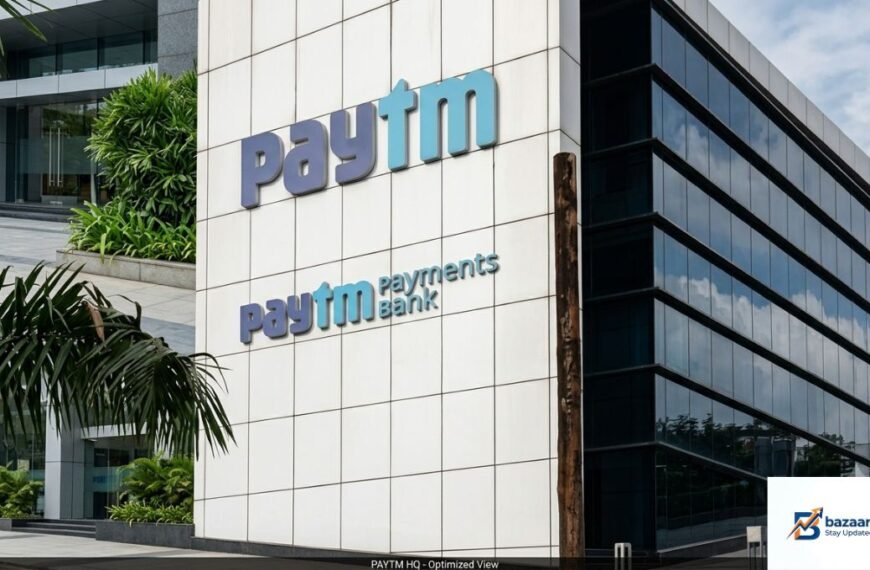



The rally also extended to midcap IT stocks, including Coforge and Persistent Systems, as market participants assessed the potential impact of these developments on the technology sector.
IT Stocks in Focus: Key Market Highlights
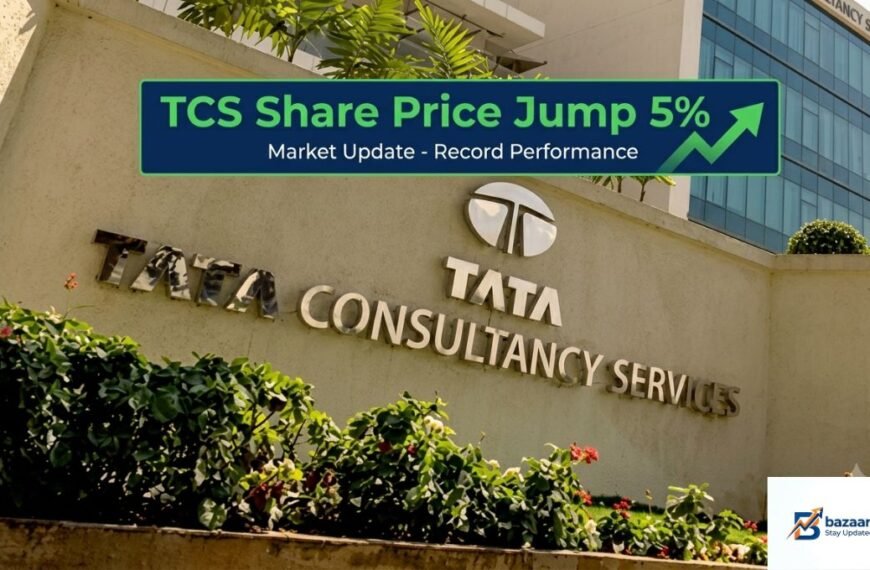
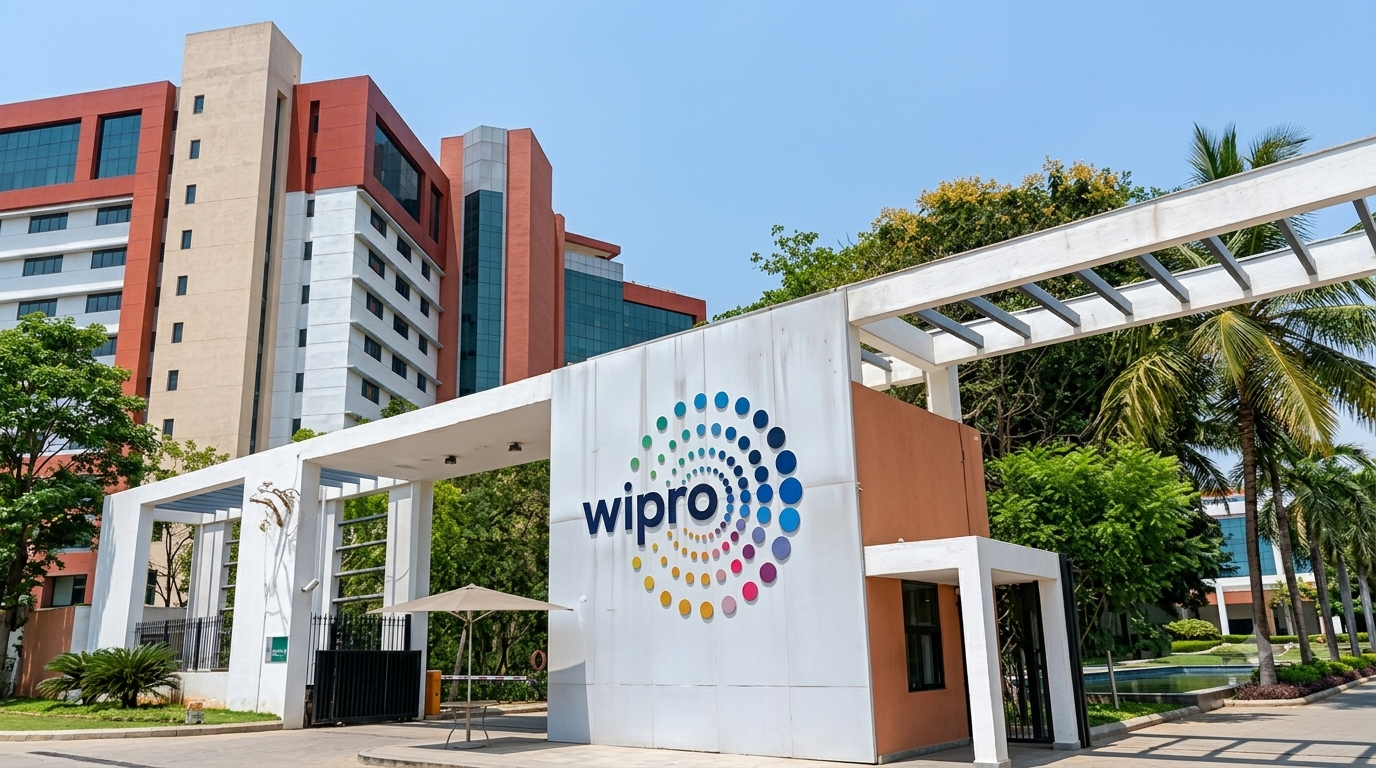
Wipro share gained nearly 3% during the trading session and touched an intraday high of ₹163. TCS shares climbed more than 4%, reaching ₹2,163 after the company announced its Q2 financial results.
HCLTech and Tech Mahindra advanced by around 3% each. Among midcap companies, Coforge rose 3%, while Persistent Systems gained approximately 4%.
The gains came as investors evaluated company earnings, changes in US labour certification rules and the future demand for AI-related services.
1. TCS Q2 Results Support IT Stock Sentiment
Tata Consultancy Services reported a 15% year-on-year increase in consolidated net profit for the second quarter. Net profit reached ₹13,884 crore, compared with ₹12,075 crore in the corresponding quarter of the previous year.
The company’s board also announced a second interim dividend of ₹12 per share for the financial year 2026–27.
Other key financial highlights included:
- Net profit: ₹13,884 crore, up 15% year-on-year.
- Constant-currency revenue growth: 0.5% quarter-on-quarter.
- Operating margin: 24%.
- Net margin: 19%.
- Interim dividend: ₹12 per share.
TCS CEO and Managing Director K. Krithivasan said the company recorded growth across international markets and most industry segments.
He also highlighted the company’s partnerships with Porsche and Best Buy. According to the management commentary, these partnerships involve developing platforms that can support the wider adoption of artificial intelligence across business operations.
Investors will continue to monitor TCS revenue growth, profit margins, deal wins and management guidance to understand the company’s business outlook.
2. US Employment Certification Developments Put IT Companies Under the Spotlight
Developments involving the US Permanent Labour Certification Programme also attracted attention from investors.
According to the reported announcement, the US Department of Labour suspended Microsoft and Adobe from the programme amid ongoing federal investigations. The department also said it would stop accepting new applications from several technology service providers, including Infosys, Wipro, TCS, HCLTech, Cognizant and Capgemini, and halt the processing of applications involving these companies.
US Labour Secretary Keith Sonderling said the companies had collectively sought nearly three million foreign workers since 2009. They had received more than 230,000 H-1B visa approvals and over 100,000 permanent labour certifications, according to the announcement.
The development could create uncertainty around some immigration and workforce-related processes for affected companies. However, the longer-term impact on Indian IT businesses will depend on the duration and scope of the restrictions, the outcome of the investigations and the companies’ workforce strategies.
Industry body NASSCOM said Indian technology companies had reduced their dependence on H-1B visas while increasing local recruitment in the United States.
Investors should distinguish between employment certification rules and H-1B visa approvals, as these are separate immigration processes.
3. OpenAI Revenue Update Brings AI Business Models Into Focus
Updates about OpenAI’s revenue outlook also added another dimension to the discussion around IT stocks.
According to a Reuters report, OpenAI informed investors that its annualised revenue run rate for September was close to $50 billion, below the approximately $70 billion level previously indicated at an earlier event.
The reported difference was linked largely to efforts to make a direct comparison between OpenAI’s revenue and that of rival AI company Anthropic.
A revenue run rate is an annualised estimate based on revenue generated over a particular period. It is not the same as confirmed full-year revenue.
For Indian IT service providers, the broader issue is how the rapid development of AI could change enterprise technology spending.
Companies may require support to integrate AI tools into existing systems, modernise their IT infrastructure, automate business processes and manage technology costs. These requirements could create opportunities for service providers with the right technical capabilities and client relationships.
At the same time, AI could put pressure on traditional billing models and increase competition as customers look for faster and more cost-effective solutions.
Therefore, the effect of AI on Indian IT companies will depend on their ability to develop new services, improve productivity and convert demand into profitable contracts. OpenAI’s reported revenue figures alone do not establish whether AI will benefit or hurt the traditional IT services industry.
4. Infosys and Wipro ADRs Recover From Intraday Lows
American Depositary Receipts (ADRs) of Infosys and Wipro, which trade in the United States, recovered from their intraday lows overnight and finished the session flat to positive, according to the report.
ADRs allow US investors to trade securities linked to foreign companies. Their price movements can provide an additional indication of market sentiment, although they do not necessarily predict how the corresponding shares will perform in India.
Investors should also consider differences in trading hours, currency movements and broader market conditions when comparing ADR performance with Indian-listed shares.
What Should Investors Watch Next?
The recent IT stock rally reflects several developments rather than a single factor. TCS’s quarterly earnings, uncertainty around US employment certification processes and changing expectations for AI-related services all contributed to the sector’s outlook.
In the coming sessions, investors may focus on:
- Quarterly earnings and revenue growth across major IT companies.
- Management commentary on client spending and new technology contracts.
- The impact of US labour certification developments on hiring and business operations.
- Demand for AI implementation, cloud services and digital transformation.
- Profit margins, valuations and future earnings expectations.
A rise in share prices does not automatically mean that a stock is undervalued or suitable for every investor. Investors should review company fundamentals, risk tolerance and investment goals before making decisions.
Conclusion
Indian IT stocks gained up to 4% as investors responded to TCS’s Q2 results and evaluated developments involving US labour certification rules and the AI industry.
TCS higher quarterly profit provided a positive earnings signal, while the US developments introduced uncertainty around workforce-related processes. Meanwhile, changing expectations for AI businesses highlighted both potential growth opportunities and competitive risks for traditional IT service providers.
The sustainability of the rally will depend on future earnings, client demand, regulatory developments and companies’ ability to turn AI-related opportunities into consistent revenue and profits.
Disclaimer: This article is for informational and educational purposes only. It is not investment advice or a recommendation to buy or sell any security. Stock market investments involve risk, and readers should conduct their own research or consult a qualified financial adviser before making investment decisions.