



The public offering comes at a time when India’s broader stock market is facing pressure. However, strong institutional participation indicates that investor interest in large technology and telecommunications businesses remains significant.
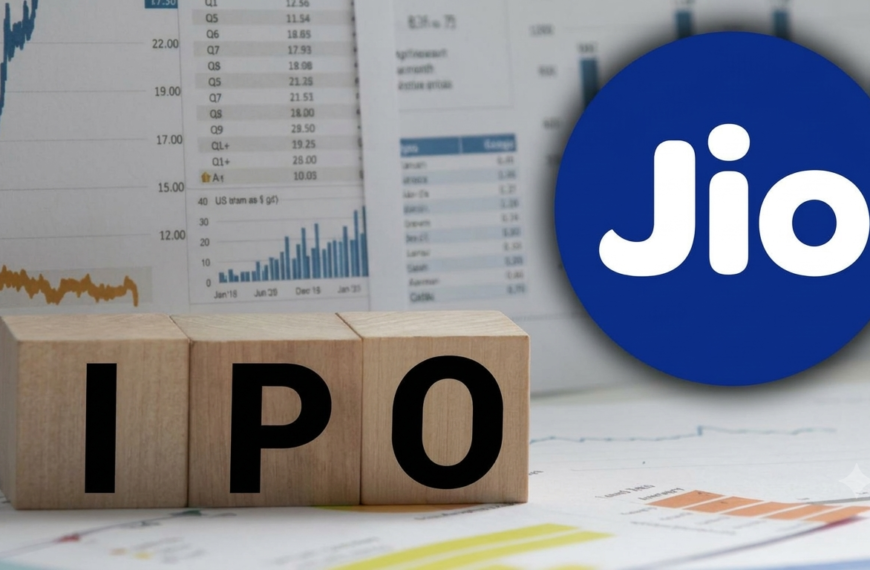
Jio Platforms IPO: Key Highlights
- Jio Platforms aims to raise Rs 30,200 crore through fresh equity shares.
- The IPO price band has been set at Rs 1,065–Rs 1,119 per share.
- The company plans to use the proceeds to repay loans associated with Reliance Jio Infocomm.
- Institutional investors reportedly submitted bids worth $3.2 billion ahead of the public opening.
- The offering represents Reliance Group’s first public share sale in approximately two decades.
Jio Platforms IPO Price Band and Issue Details
Jio Platform, a subsidiary of Reliance Industries Limited, is entering the primary market with an IPO designed to raise fresh capital and strengthen its financial position.
The company has announced a price range of Rs 1,065 to Rs 1,119 per equity share, with the public subscription scheduled to open on Wednesday and close on Friday, according to the supplied report.
Jio Platforms IPO Details
| Particulars | Details |
|---|---|
| Company Name | Jio Platforms Limited |
| Parent Company | Reliance Industries Limited |
| IPO Issue Size | Rs 30,200 crore |
| Issue Type | Fresh Equity Shares |
| Price Band | Rs 1,065–Rs 1,119 |
| IPO Opening Day | Wednesday |
| IPO Closing Day | Friday |
| Expected Fundraising | Approximately $3.2 billion |
| Primary Use of Proceeds | Repayment of loans |
| Telecom Subsidiary | Reliance Jio Infocomm Limited |
The IPO is expected to attract considerable attention from both institutional and retail investors, given Jio’s established position in India’s telecommunications industry.
How Will Jio Platforms Use the IPO Money?
The company intends to use the funds raised through the public offering to repay loans taken for the development and expansion of Reliance Jio Infocomm Limited.
Reliance Jio has built an extensive telecommunications network and established itself as India’s largest private-sector telecom operator.
Reducing outstanding borrowings could help improve the group’s financial flexibility and support its long-term business strategy.
Strong Institutional Demand Ahead of IPO Opening
Despite weakness in the broader equity market, Jio Platforms has reportedly received an encouraging response from institutional investors.
According to the Reuters report cited in the source material, institutional investors placed bids worth approximately $3.2 billion during the pre-IPO allocation process.
This represented demand of nearly 30 times the shares reserved for these investors.
The response suggests that large investors remain interested in Jio’s established customer base, extensive network infrastructure and expanding digital business.
However, strong institutional demand does not guarantee listing gains or positive returns for retail shareholders.
Why Are Investors Interested in Jio Platforms?
Jio’s appeal extends beyond its position as a telecommunications operator. The company has developed a broader digital ecosystem supported by connectivity, technology infrastructure and customer relationships.
Centrum Institutional Research highlighted Jio’s network leadership, large-scale infrastructure and expanding digital ecosystem as important factors supporting its medium- to long-term growth prospects.
Market expert Arun Kejriwal of Kejriwal Research and Investment Services also pointed out that India’s IPO market has continued attracting investor interest despite subdued secondary-market conditions.
According to his assessment, attractive valuations and interest in scalable technology businesses have helped sustain demand for new public offerings.
Jio IPO Arrives Amid Stock Market Weakness
The proposed Jio Platforms listing follows another major public offering from the National Stock Exchange, which reportedly raised $2.4 billion.
This comes even as the Nifty 50, India’s benchmark index of 50 leading listed companies, has declined by more than 12% during the year, according to the figures in the supplied report.
The contrasting performance of the primary and secondary markets highlights how investors may continue supporting selected IPOs even when existing listed shares face selling pressure.
Nevertheless, investors should evaluate each public offering based on its valuation, business fundamentals and associated risks rather than subscription figures alone.
Jio Faces Growing Competition From Elon Musk’s Starlink
While Jio holds a strong position in India’s telecommunications market, competition remains an important challenge.
Elon Musk’s satellite internet venture, Starlink, has expressed its intention to offer affordable internet services in India.
Musk has also publicly criticised Mukesh Ambani on social media platform X amid disagreements surrounding India’s satellite internet market.
The exchanges included Musk questioning Ambani’s influence in India. Neither Ambani nor Reliance directly responded to those remarks, according to the supplied report.
Starlink’s potential commercial expansion could introduce additional competition in certain connectivity segments.
However, the extent of its impact on Jio will depend on regulatory approvals, service pricing, infrastructure and customer adoption.
Regulatory Risks Remain a Concern
India’s telecommunications sector operates under extensive government oversight, making regulatory developments an important consideration for investors.
Jio faces competition from established telecom operators, including Vodafone Idea, in which the Indian government has become the largest shareholder after converting outstanding dues into equity as part of a relief package.
Industry analysts believe that pricing competition, customer churn and regulatory uncertainty could influence Jio’s future performance.
These factors will remain important as investors assess the company’s valuation and long-term earnings potential.
Akash and Isha Ambani Lead Jio IPO Roadshows
The Jio Platforms IPO also represents an important development in the Reliance Group’s leadership transition.
Investor roadshows were led by Akash Ambani, Managing Director of Jio Platforms, and Isha Ambani, Executive Director of Reliance Retail Ventures.
Both are children of Reliance Industries Chairman Mukesh Ambani.
Unlike previous major Reliance fundraising events, Mukesh Ambani reportedly stayed away from direct investor presentations during this offering.
The involvement of Akash and Isha highlights the increasing responsibilities being handled by the next generation of the Ambani family.
Reliance Group’s First IPO in Two Decades
Reliance has maintained a strong relationship with India’s retail investment community for decades.
Founder Dhirubhai Ambani helped popularise equity ownership among individual investors and frequently described shareholders as members of the Reliance family.
The Jio Platforms offering marks the conglomerate’s first public share sale in approximately 20 years, according to the supplied report.
Given Reliance’s established investor base and Jio’s market presence, the listing could become a closely watched event in India’s capital markets.
Should Investors Consider the Jio Platforms IPO?
Jio’s large customer base, extensive infrastructure and digital growth opportunities may make the offering attractive to investors seeking exposure to India’s telecommunications and technology sectors.
However, potential investors should also consider the company’s valuation, outstanding debt, competitive environment and regulatory risks.
The IPO price band alone is insufficient to determine whether the shares offer attractive value. Investors should review the company’s prospectus, financial statements and relevant risk disclosures before making an investment decision.
Read More:Stock Market Holiday Calendar 2026: Check Dussehra Closure…
Disclaimer: This article is for informational purposes only and does not constitute investment advice or an IPO subscription recommendation. Stock market investments involve risks. Investors should read the official prospectus and consult a SEBI-registered investment adviser before making financial decisions.