

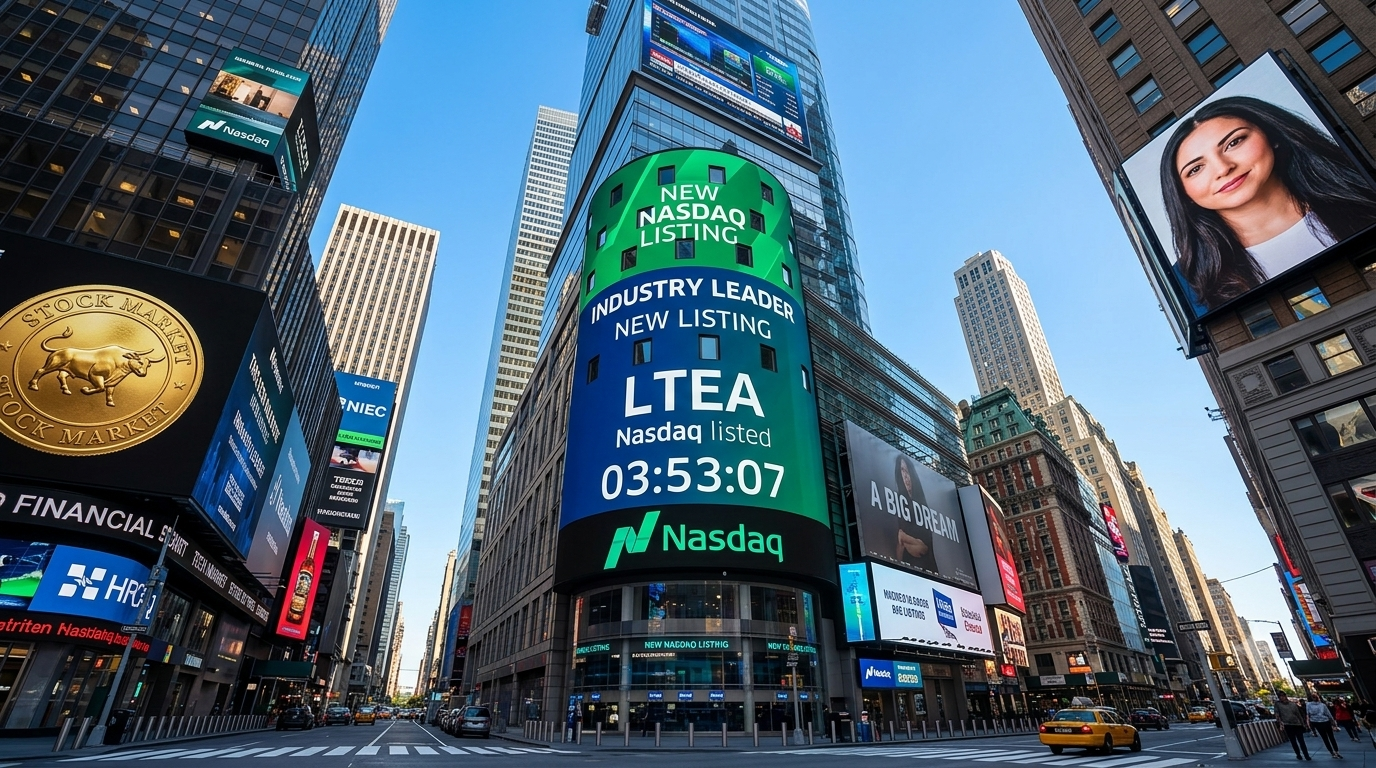

The technology-heavy Nasdaq Composite suffered the sharpest decline among the three major indexes, while investors reassessed stock valuations, inflation expectations, and the potential returns from massive AI investments.
Key Highlights
- The S&P 500 declined 1.1%, while the Nasdaq Composite dropped 1.6%.
- US annual consumer inflation accelerated to 3.7% in September.
- The benchmark 10-year Treasury yield climbed to 5.23%.
- Major US banks expressed mixed views about the financial risks and opportunities associated with AI infrastructure.
- Higher borrowing costs and uncertainty over AI investment returns added pressure to Wall Street.
US Stock Market Today: S&P 500, Nasdaq and Dow Jones Decline
Wall Street remained under selling pressure on Wednesday as investors reacted to the latest US inflation figures.
The S&P 500 dropped 1.1%, putting the benchmark nasdaq index on course for its fifth decline in six trading sessions after reaching a record high.
Meanwhile, the Dow Jones Industrial Average slipped 171 points, or 0.3%, and the Nasdaq Composite declined 1.6%, according to the reported market figures at 1:14 PM Eastern Time.
US Stock Market Performance
| US Market Index | Reported Change |
|---|---|
| S&P 500 | -1.1% |
| Dow Jones Industrial Average | -171 points |
| Dow Jones Percentage Change | -0.3% |
| Nasdaq Composite | -1.6% |
Technology stocks faced greater pressure as rising Treasury yields weighed on growth-oriented companies, whose valuations often depend heavily on expectations of future earnings.
US Inflation Rises to 3.7%, Beating Economists’ Forecasts
The latest inflation figures added to concerns about the direction of the US economy.
Consumer prices increased 3.7% year over year in September, compared with 3.4% in August. The reading also exceeded economists’ expectations of 3.6%.
US Inflation Data at a Glance
| Inflation Indicator | Reported Figure |
|---|---|
| September Annual Inflation | 3.7% |
| August Annual Inflation | 3.4% |
| Economists’ Forecast | 3.6% |
| Increase From August | 0.3 percentage points |
| Difference From Forecast | 0.1 percentage points |
The higher inflation reading raised concerns that price pressures could remain elevated for longer than previously anticipated.
Rising energy costs, linked in the report to the conflict involving Iran, were also cited as a contributing factor.
Persistent inflation can complicate the Federal Reserve’s monetary policy decisions, particularly when policymakers are balancing price stability against economic growth.
US Treasury Yield Climbs to 5.23%
Following the inflation report, the benchmark 10-year US Treasury yield rose to 5.23%, having briefly crossed 5.32% during the trading session.
Higher bond yields can create additional challenges for stock markets.
When Treasury yields increase, borrowing becomes more expensive for businesses and consumers. At the same time, government bonds may become more attractive to investors seeking returns outside the equity market.
This shift can put pressure on stock valuations, particularly among technology companies and other businesses that depend on substantial future growth.
AI Investment Boom Creates Opportunities and Risks for Major US Banks
Alongside inflation concerns, Wall Street investors are closely monitoring the growing investment in artificial intelligence infrastructure.
Major financial institutions see significant opportunities in financing data centres, computing facilities, and other AI-related projects.
However, senior banking executives have also warned that the enormous capital requirements involved in AI expansion could introduce financial risks.
Goldman Sachs CEO Highlights Uncertainty Around AI Spending
Goldman Sachs CEO David Solomon expressed caution about predicting the long-term financial requirements of the AI industry.
According to Solomon, it remains difficult to determine how demand for computing capacity and investment capital will develop as artificial intelligence becomes more widely adopted.
His comments highlighted the importance of disciplined financing and effective risk management when supporting large-scale AI projects.
Citigroup CEO Says AI Investment Is Not Slowing
Citigroup CEO Jane Fraser presented a more optimistic assessment of current AI infrastructure demand.
She indicated that investment across the AI ecosystem continued to expand, supported by an ongoing shortage of computing capacity.
The demand for advanced data centres and computing infrastructure creates financing opportunities for banks.
However, elevated interest rates could increase development costs and potentially reduce the returns generated by these projects.
Wells Fargo CEO Warns About Borrowing Risks
Wells Fargo CEO Charlie Scharf described the AI infrastructure expansion as an important economic development.
While acknowledging its growth potential, he also highlighted risks associated with substantial borrowing and pricing pressures across certain industries and supply chains.
Large AI infrastructure projects frequently require significant upfront investment. As a result, higher financing costs could make debt repayment more challenging if expected revenues fail to materialise.
How Major US Banks View the AI Investment Boom
| Bank | Executive | Key View on AI |
|---|---|---|
| Goldman Sachs | David Solomon | Long-term AI capital and computing requirements remain uncertain. |
| Citigroup | Jane Fraser | AI investment continues as computing capacity remains limited. |
| Wells Fargo | Charlie Scharf | AI infrastructure offers major opportunities but also creates borrowing and cost-related risks. |
Banks Are Using AI to Improve Productivity and Reduce Costs
Beyond financing AI infrastructure, major banks are increasingly integrating artificial intelligence into their internal operations.
These technologies are being used to improve productivity, accelerate software development, and reduce operating expenses.
Citigroup CEO Jane Fraser highlighted measurable improvements from the bank’s AI adoption.
According to the reported figures, Citi has achieved the following operational improvements:
| AI Application | Reported Improvement |
|---|---|
| Product Development | Up to 40% faster |
| Technology Vendor Expenses | 30% reduction through coding tools |
These developments demonstrate how AI could generate financial benefits beyond infrastructure investment.
However, investors are watching whether such productivity improvements will eventually justify the industry’s substantial spending on AI technology.
Cybersecurity and Autonomous AI Agents Raise New Concerns
The rapid adoption of artificial intelligence is also introducing additional operational risks.
Cybersecurity remains a major concern, particularly as financial institutions expand their use of AI-powered systems.
Another emerging challenge involves autonomous AI agents, which can perform tasks and take certain actions with limited human intervention.
Although these technologies could improve business efficiency, they may also introduce risks related to data security, system reliability, and operational oversight.
As AI becomes more deeply integrated into banking operations, companies will need to balance innovation with appropriate security and risk-management measures.
What Does Rising Inflation Mean for Wall Street Investors?
The combination of stronger inflation, higher Treasury yields, and uncertainty surrounding AI investment returns presents a challenging environment for US equities.
Several important factors could influence market sentiment in the coming sessions:
- Inflation expectations: Persistent price pressures could affect expectations for future Federal Reserve policy decisions.
- Treasury yields: Higher bond yields may continue to weigh on equity valuations and corporate borrowing costs.
- AI infrastructure spending: Investors will monitor whether companies can generate sufficient returns from large AI investments.
- Corporate earnings: Elevated stock valuations leave less room for companies to disappoint on profitability or future growth.
- Banking sector developments: Financial institutions could benefit from AI-related financing opportunities while facing additional credit and operational risks.
Conclusion
Wall Street’s nasdaq decline reflects growing investor concerns about persistent US inflation, rising borrowing costs, and uncertainty surrounding the long-term profitability of artificial intelligence investments.
While the AI infrastructure boom continues to create opportunities for major banks, executives remain cautious about financing requirements, project returns, and associated risks.
With stock valuations already elevated, investors are likely to pay close attention to upcoming economic data, corporate earnings, and developments in the AI industry.
Disclaimer: This article is for informational purposes only and should not be considered financial or investment advice. Stock market investments involve risks. Investors should conduct independent research and consult a qualified financial adviser before making investment decisions.
Read More:Nirmala Sitharaman Hits Back at Akhilesh Yadav Over…
Read More:EPFO New Rules 2026: How Many Times Can…